Dr. Bruce Bailey — meteorologist, 50-year renewable energy veteran, and former head of AWS Truepower — joins Joe Pardavila to break down the real forces shaping America’s energy future. They cover why deep-red Texas leads the nation in clean energy, why your power bill is mostly delivery cost (not fuel), the aging grid’s $trillions modernization problem, the data center vs. nuclear power fight coming to your town, and Bailey’s outlook for the next 50 years.
Bruce Bailey’s new book, Power Shift: The Hidden Forces That Determine Whether the Clean Energy Transition Succeeds, is available now.
What You’ll Learn
– Why roughly 85% of U.S. renewable energy is built in red states and red districts — and how rural land-lease income drives it
– Why public opinion has shifted from climate fear to plain frustration over energy costs
– What actually makes up your electric bill (it’s mostly delivery, not supply)
– How wind, solar, hydro, and battery storage complement each other to manage variability
– Everything that has to align for a single renewable project to get built: developers, landowners, utilities, banks, zoning boards, and permits
– Why local communities push back on data centers and battery storage — and how that differs from renewable energy pushback
– The “rich vs. poor” divide fueling data center opposition
– How data centers are straining the grid and pushing utilities back toward gas power
– Why the U.S. power grid is 40–70 years old and what modernizing it will actually cost
– Why nuclear power may be poised for a comeback — and why data centers will still win public approval over nuclear in the near term
– Bailey’s 50-year outlook for the clean energy transition
Chapters
00:00 Intro: Meet Dr. Bruce Bailey
00:40 Has the climate debate become less polarized?
02:33 Why deep-red Texas leads in clean energy
03:15 85% of U.S. renewables are built in red districts — here’s why
04:25 It’s not climate fear anymore — it’s the energy bill
05:03 What’s actually driving your electric bill (hint: not supply)
06:38 How battery storage has changed the game
08:17 The charger-standardization analogy
10:00 50 years in the industry — why write the book now
11:52 Biggest myths about the clean energy transition
14:06 The approval maze: developers, banks, utilities, zoning boards
18:35 Local zoning boards vs. scientific complexity
21:47 Misinformation: windmills, birds, and data center water fears
22:15 The real pushback: rich vs. poor divide on data centers
24:09 How data centers are “hijacking” the energy transition
25:36 State of the grid: how close are we to another 2003 or 2021 Texas blackout?
26:28 Why the grid is dangerously old and needs modernization
28:46 Climate-driven extreme weather is straining an aging system
30:00 Who’s actually fighting to fix this?
32:02 Who pays? The affordability dilemma
33:20 Optimistic close: what energy looks like in 50 years
33:46 The case for a nuclear power resurgence
35:27 Pop quiz: nuclear plant vs. data center — which gets approved first?
37:02 Outro & where to find the book

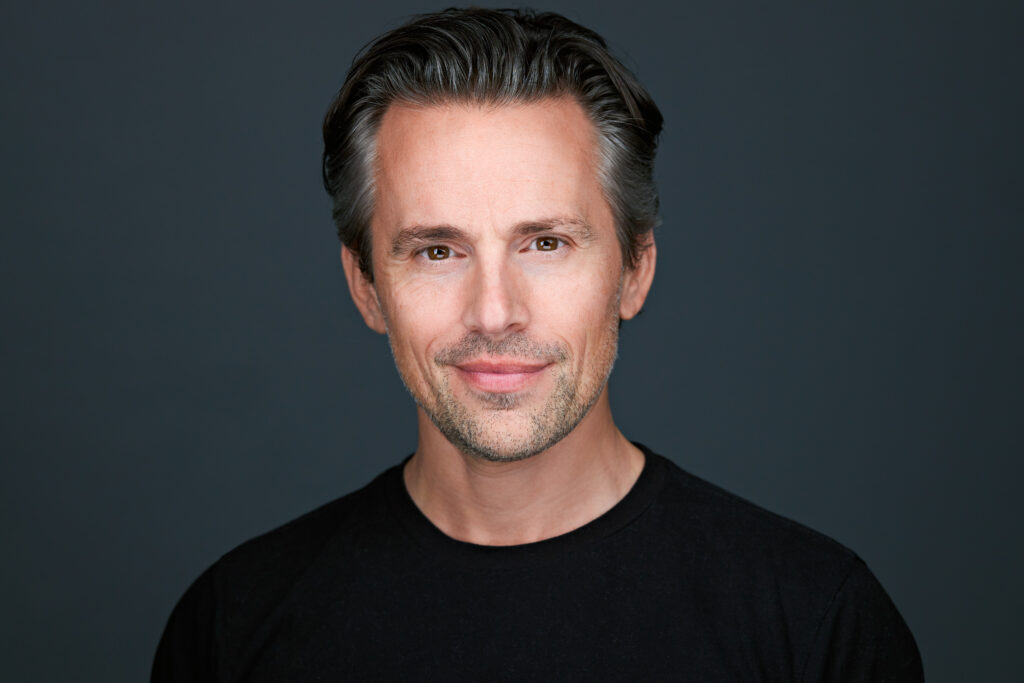
Joe Pardavila
Joe Pardavila is a leading voice in audio content production, with decades of experience in podcasting and terrestrial radio. He has created over 10,000 hours of audio content, captivating audiences nationwide. Joe is a recognized expert in communication and the author of the bestselling book, “Good Listen: Creating Memorable Conversations in Business and Life,” which provides valuable tips and strategies for mastering the art of communication. Throughout his career, Joe has been a radio personality…
Learn MoreWhat is Your Authority Score?